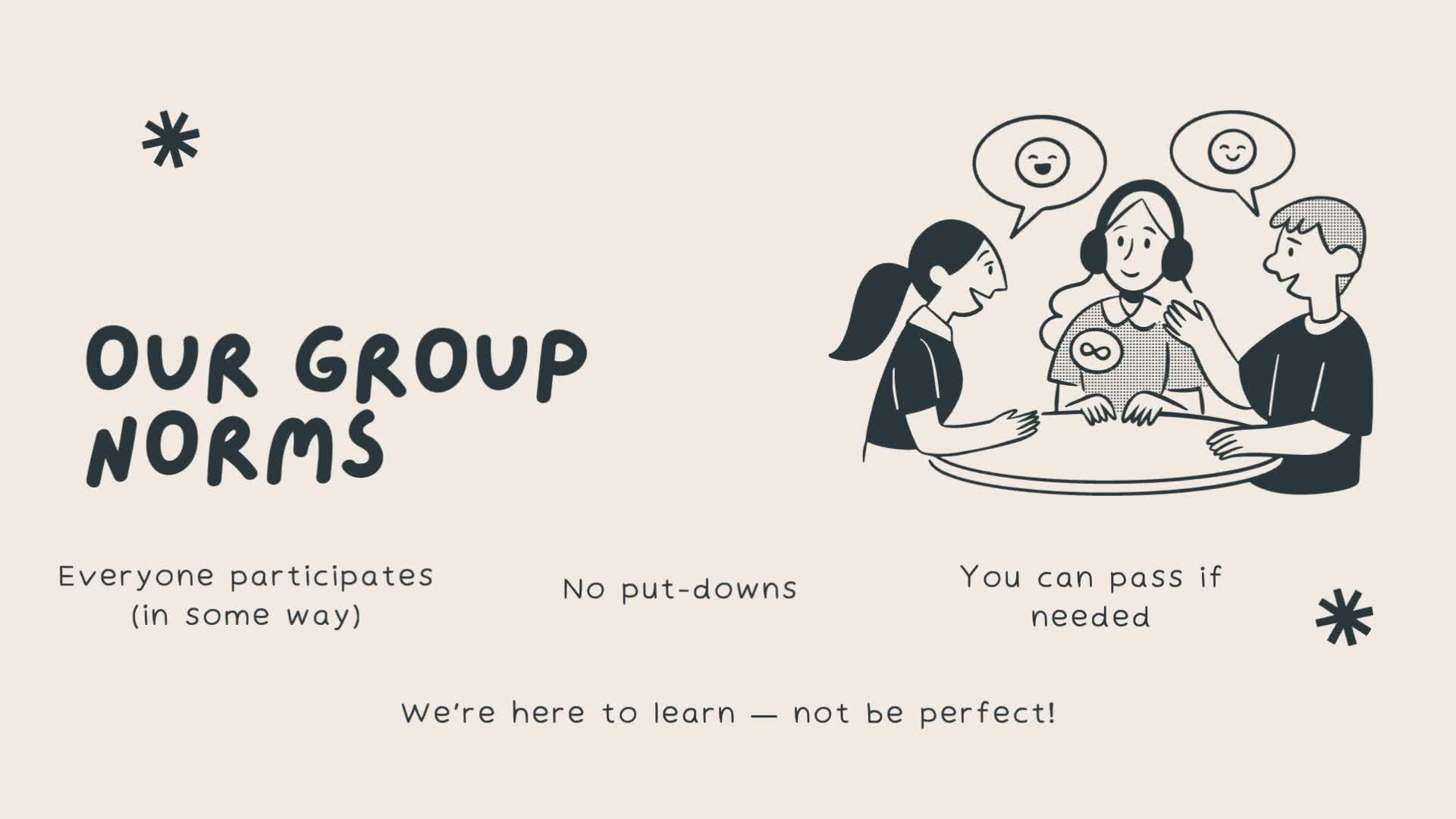
Students define respect through clear, concrete behaviors and build a shared understanding of how respect looks in the classroom.
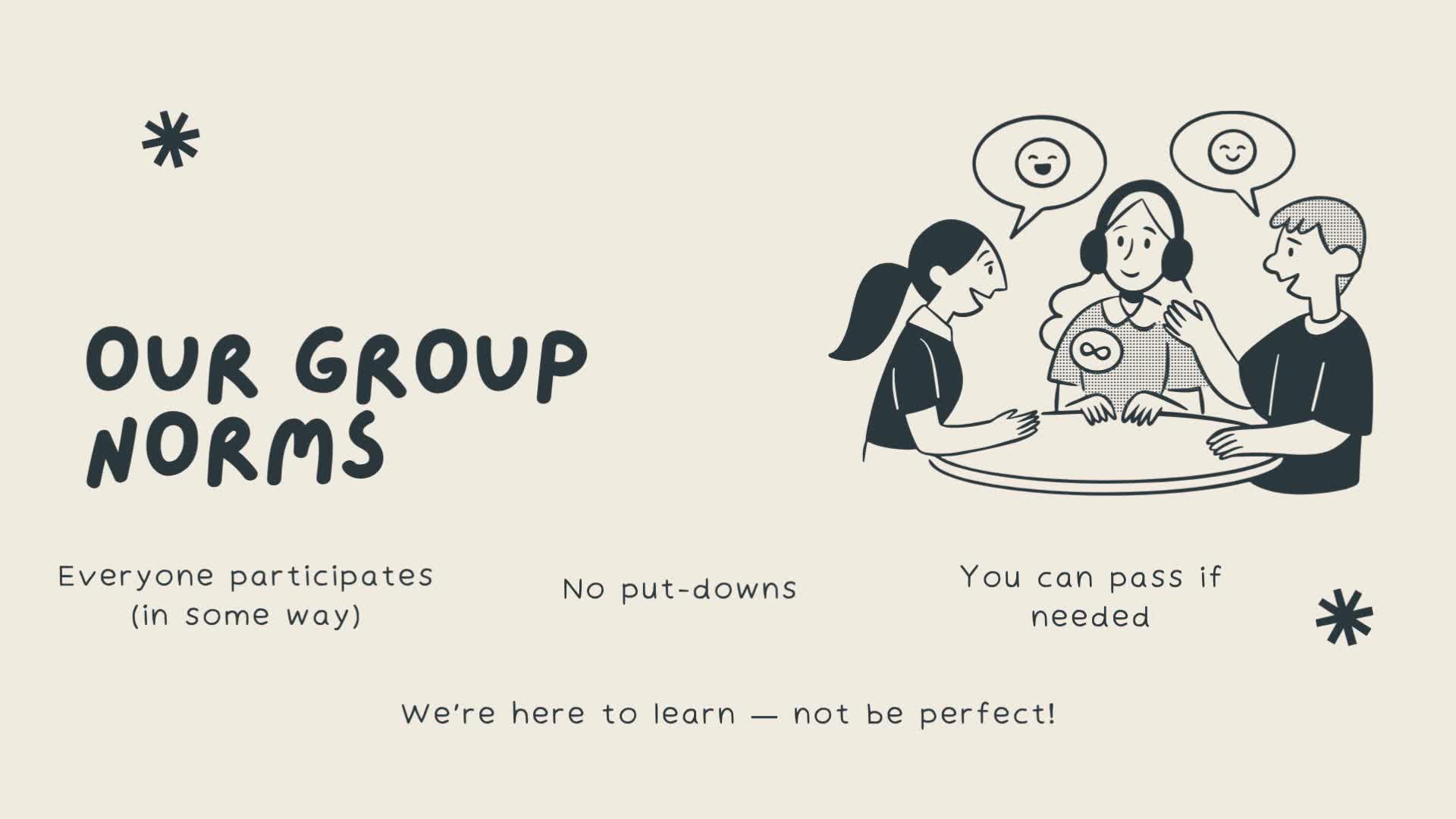
Students revisit respect with deeper reasoning, connecting expectations to behavior and classroom culture.
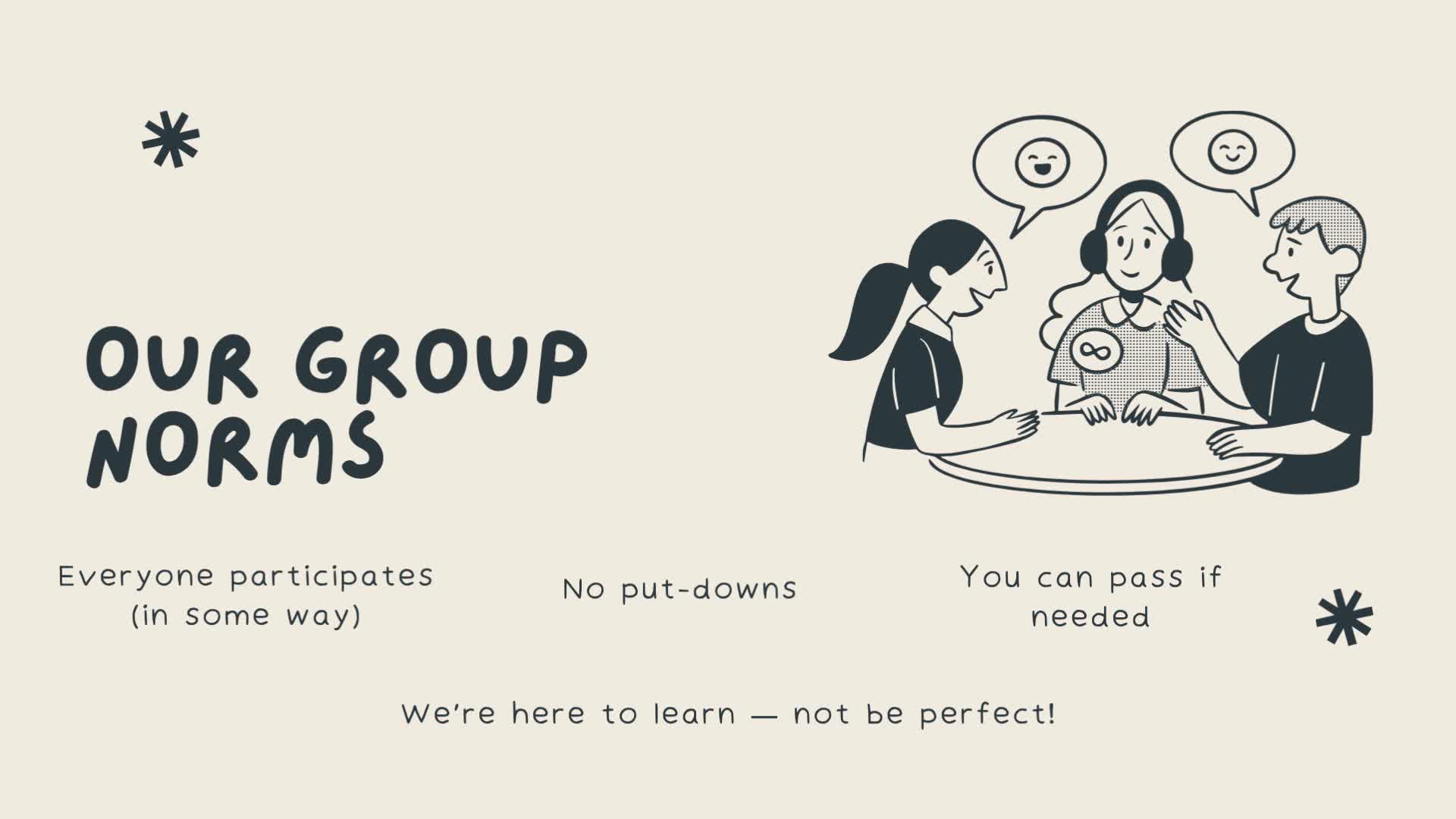
Students explore how recognizing their own progress builds motivation, habits, and identity over time.
Students apply their understanding of respect to real-life scenarios, using movement and discussion to identify respectful and disrespectful behaviors.
Students examine how small choices create larger outcomes over time through a structured, movement-based activity.
Students analyze external vs. internal motivation through a movement activity, identifying which types of motivation are reliable.
Students explore how their choices impact others, connecting respectful behavior to real-world outcomes.
Students compare blaming others versus taking ownership, learning how responsibility leads to growth and better outcomes.
Students challenge traditional definitions of success and shift their thinking from results to growth, effort, and consistency.
Students put respect into action through a small service project that improves their classroom or school environment.
Students apply accountability through a service-based project, focusing on how their actions improve the larger community.
Students apply respect in action by creating something that positively impacts others, connecting behavior to reputation and legacy.
